Hannah Arendts “Wir Flüchtlinge” als Präambel zu ihrer politischen Theorie (Kopie)
Der Artikel (29.11.25 FAZ) widmet sich Hannah Arendts Text “We Refugees” von 1943, aus der Phase der Metamorphose einer deutschsprachig schreibenden Philosophin und einer Staatenlosen in eine englisch schreibenden Autorin politischer Theorie. In dem Text, der eine radikale Kritik der Assimilationspolitik entfaltet, wird der historische wie persönliche Erfahrungsgrund von Arendts Denkens erkennbar. Ihm erwächst ihre radikale Art und Weise, Schlüsselbegriffe der europäischen Geschichte und politischen Theorie von Grund auf neu zu denken.
The Sound of Arendt’s Thoughts and Writings – between Different Languages, Cultures, and Fields
Departing from the sound of Arendt’s talks, the article analysis the particular character of Arendt’s political theory as a product of her thinking in-between and at different transitions: between Jewish culture and German academia, between German and English, between philosophy and politics, at the transition from Germany to Exil in Paris and the immigration to the US, from German citizenship to the status of a refugee and stateless person to US-citizenship.
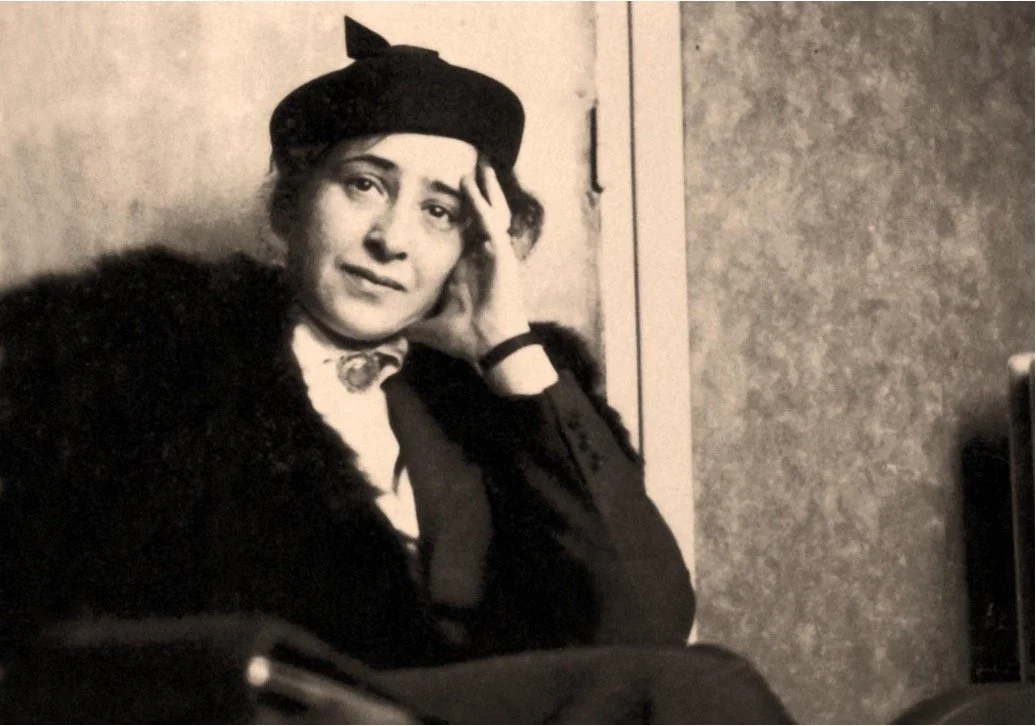
Traces and Transitions to Hannah Arendt’s unwritten book of love
The existing scholarship on love in Arendt’s writing approaches the topic either from an autobiographical viewpoint (with emphasis on her relationship to Heidegger) or examines her philosophy of love systematically, opposing the ‘love of neighbor’ (Nächstenliebe) and the passionate love. The article, in contrast, reads Arendt’s writing on love as thinking in transition, at the threshold of experience and thoughts, and as a boundary concept, which has fundamental effects on its shape and character within the dialectics of privacy and the public realm, of intimacy and human affairs.
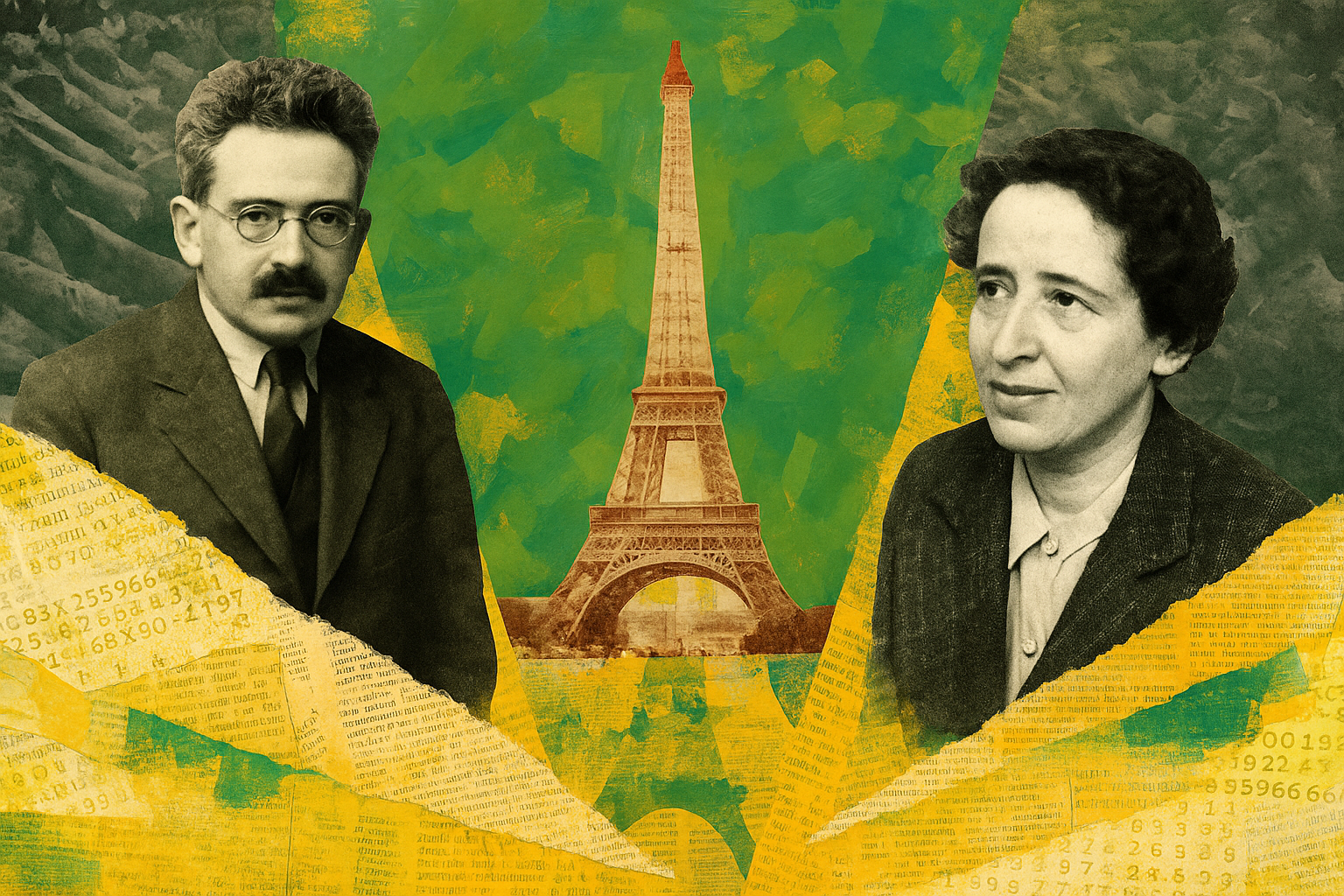
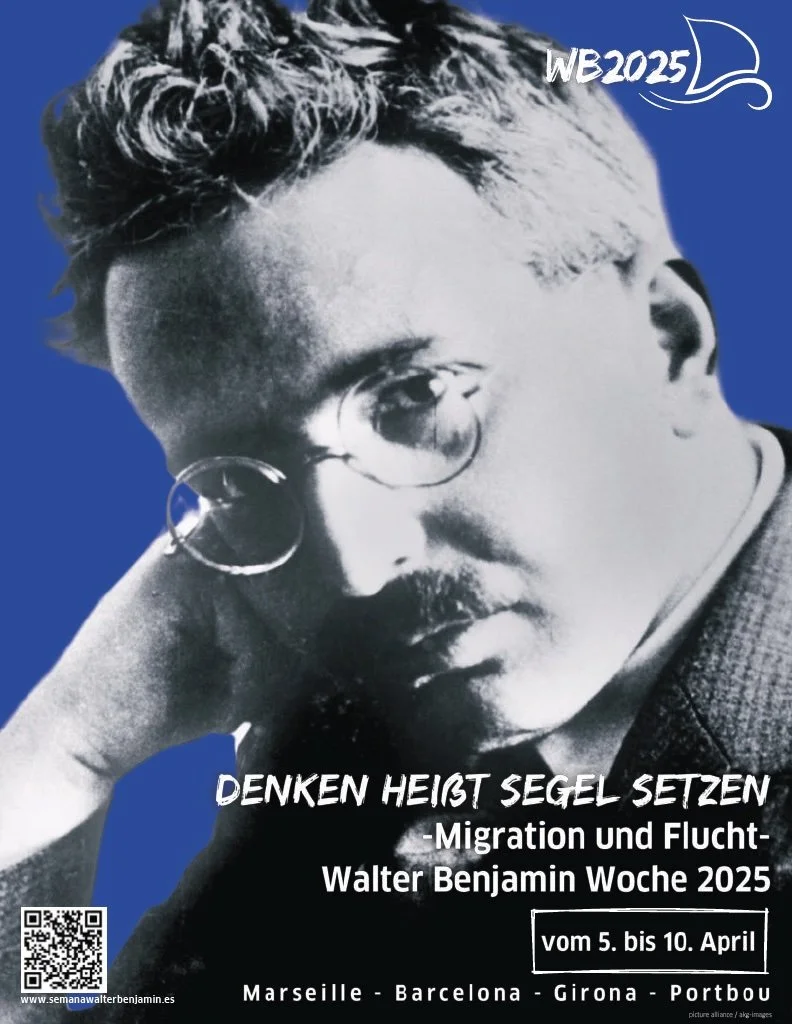
Hannah Arendt und Walter Benjamin: Eine geistige Wahlverwandtschaft
Was verbindet Hannah Arendt und Walter Benjamin über das Pariser Exil hinaus? Sigrid Weigel und Uta Staiger sprechen über Arendts und Benjamins gemeinsame Denkwege, überraschende Parallelen und darüber warum ihre Ideen heute aktueller sind denn je.