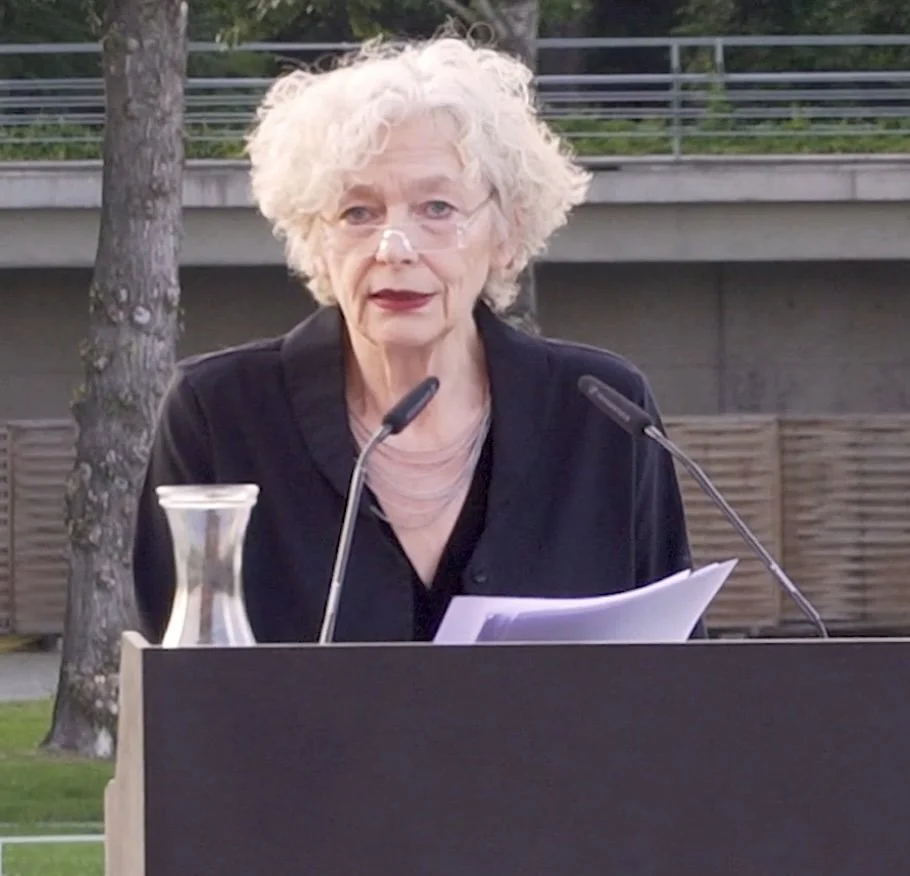
Self-Translation between Minor Literature, Bilingualism and Posteriority
The lecture discusses symptomatic problems which fade into the background through the shift in theories of self-translation from exile and Alien Tongues (1989) to migration, bilingualism and re-writing, followed by leveling the differences of languages involved: namely the translation work itself and the ambivalence of self-translation for authors of ‘minor literatures’. Referring to Benjamin, Derrida, and Goldschmidt, the article assumes that in translation the internal foreignness or exophony of each language meets the external foreignness between different languages. While writing in a foreign language is considered a translation without original, self-translation implies the process of remembering, repeating, working through. Examples: Yoko Tawada, Hannah Arendt, Stéphane Mosès.
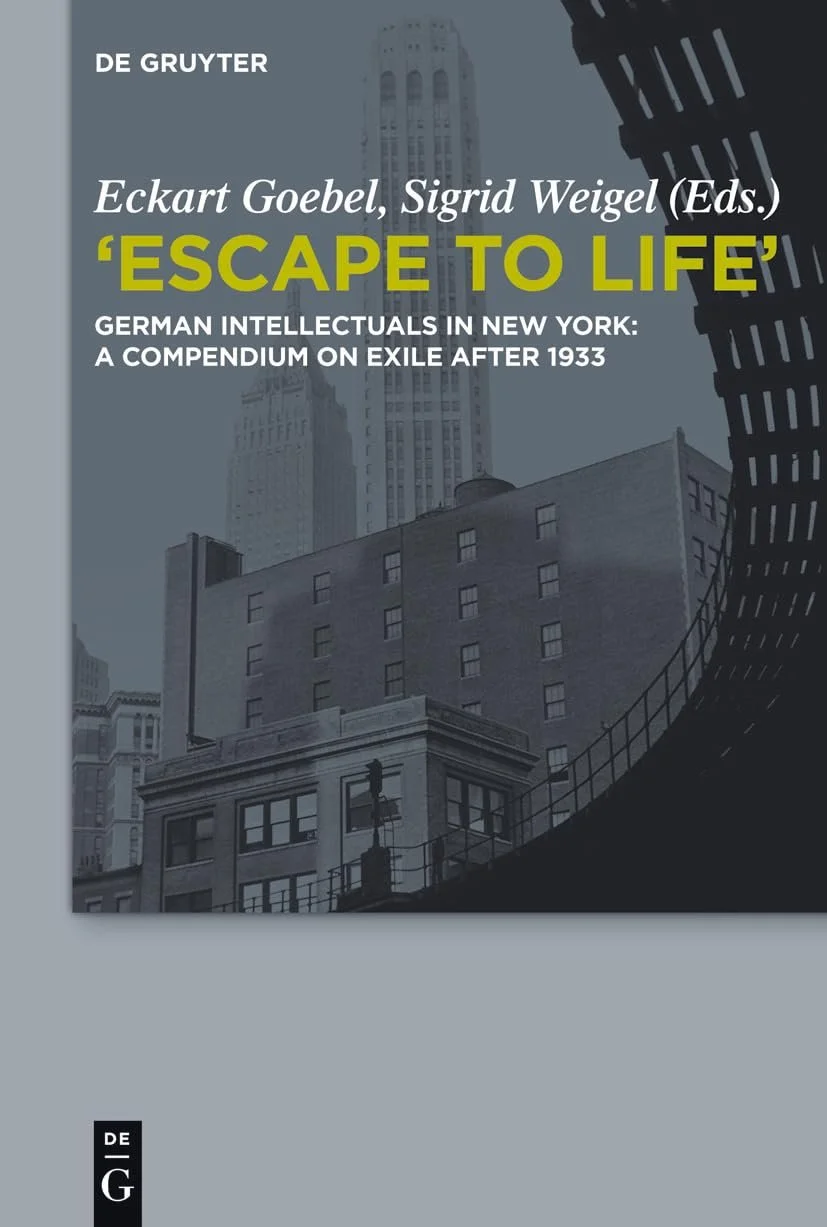
›Escape to Life‹ German Intellectuals in New York: A Compendium on Exile after 1933
After 1933, New York City gave shelter to many leading German and German-Jewish intellectuals. Stripped of their German citizenship by the Nazi-regime, these public figures either stayed in the New York area or moved on to California and other places. This compendium, adopting the title of a famous volume published by Klaus and Erika Mann in 1939, explores the impact the US, and NYC in particular, had on these authors as well as the influence they in turn exerted on US intellectual life.
Literatur als Voraussetzung der Kulturgeschichte: Schauplätze von Shakespeare bis Benjamin
Grundlage der Studien ist die Wahlverwandtschaft zwischen Literatur- und Kulturwissenschaft. Denn unser Wissen von der Kulturgeschichte, so die Ausgangsthese des Buches, entspringt der Lektüre. Deren an Texten entwickeltes Vermögen zur Entzifferung wird dabei auf die Signaturen anderer Hinterlassenschaften übertragen: neben dem Archiv schriftlich überlieferten Wissens auch auf bildliche und (ikono-) graphische Darstellungen, auf Topographien, Photos und Überreste: „Umkehr ist die Richtung des Studiums, die das Dasein in Schrift verwandelt“ (Walter Benjamin).